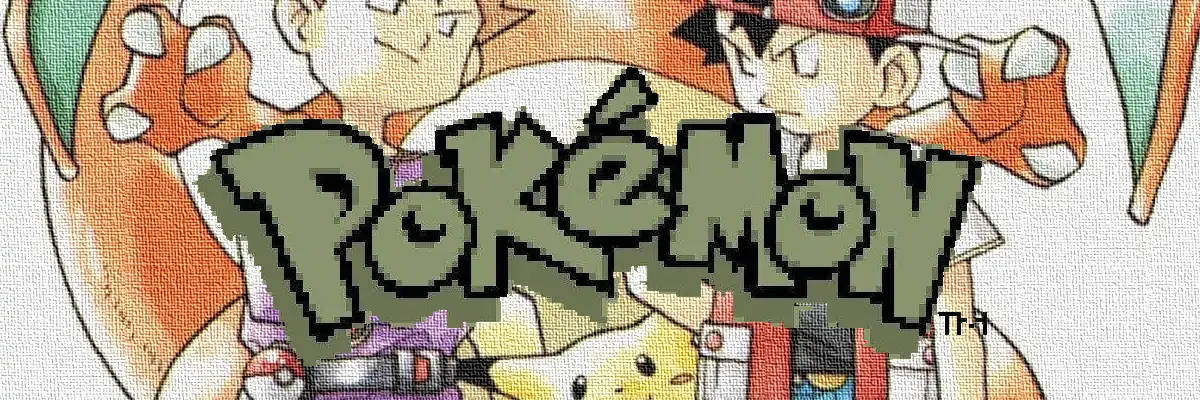
Pokémon nostalgia. A throwback to childhood. Pokémon TCG
Pokémon nostalgia is a unique phenomenon that has been continuously influencing generations of fans worldwide for nearly three decades. The phenomenon, which began with video games, Pokémon cards, the TV series, Tazo, and films like the first Pokémon movie, is now experiencing a renaissance—not only among children but also adults who eagerly revisit their favorite memories from the past.
Nostalgia—a return to feelings from years past
Nostalgia isn’t just sentimental. Pokémon has accompanied many children in moments of joy, collecting cards, trading Tazos, sitting down in front of the TV to watch the next episode of the series, and even repeating the legendary slogan: „Catch ’em all.” These emotions prove to be powerful enough to restore a sense of security, belonging, and joy even years later.
Scientific research indicates that nostalgia has a positive impact on our mental health. It helps build a sense of purpose, increases mental resilience and optimism, and strengthens social bonds. A nostalgic return is especially fostered during difficult times, when we seek peace and „refuge” in childhood memories. As psychologist Krystine Batcho notes, „consuming nostalgic media helps us understand who we are; it often also fulfills our need for meaning in life.”
Why do we want to return to the world of Pokémon?
- For many generations, Pokémon is the first major passion, the first dream object (e.g., a favorite Pikachu or Charizard on a card or figurine). Many creatures from the first generation remain incredibly popular to this day.
- Pokémon and Tazo cards are relics of childhood rivalry, the joy of first collections and trading cards in school hallways, as well as symbols of free time spent with friends.
- Anime series were a source of inspiration – many children repeated the catchy slogan: „Catch ’em all,” identifying with Ash and dreaming of their own adventures.
- Nostalgia is regaining its strength in adulthood—successful adults eagerly return to their roots, buying Pokémon cards, watching old episodes, or investing in limited-edition collectibles.
- Psychologists have shown that nostalgia provides an emotional „haven” in turbulent or difficult times, allowing us to return to a time when we felt safe and happy. A return to the world of Pokémon is therefore becoming a response to the needs of the modern generation seeking balance—even if a truly adult life awaits them.
Cards, Tazos, and Other Items – The Power of Collecting
- Pokémon cards have become one of the most important vehicles for nostalgia. In record years, billions of cards have been sold worldwide, and some copies reach record prices—some exceeding several hundred thousand dollars.
- In recent years, the number of graded cards has increased several-fold. The price of the rarest of them has skyrocketed.
- New card editions like Celebrations and 151 attract not only young players but also adult collectors seeking a return to their childhood. This provides them with cards featuring iconic Pokémon from the first generation.
- The popularity of Pokémon Tazo from the 1990s and 2000s has led to entire collections being available on online auctions, and the value of complete sets is constantly rising. Although younger fans aren’t as enthusiastic about older merchandise.
- The phenomenon of Pokémon cards and items is also part of the magic of shared time—childhood exchanges, first lessons in negotiation, and learning values. It’s remarkable how nostalgia allows value to be embedded not only in the item itself but also in the emotions associated with acquiring it.
Impact on the Community and Social Phenomena
- Pokémon nostalgia has a huge impact on the global community. It not only unites people around a shared passion but also inspires the creation of fan groups, tournaments, cosplay events, and even themed social media streams.
- Communities around the brand serve as a model for collaboration and mutual inspiration.
- Shared memories and sharing card collections cement interpersonal bonds and build a sense of belonging.
- During the pandemic, the community has become even more integrated—joint online events, streams, trading Pokémon cards, and revisiting old series are remedies for loneliness and isolation.
- According to research, this phenomenon also fosters positive relationships with others, strengthens empathy, and even promotes pro-social behavior and group cooperation. Thanks to Pokémon, many people are learning to share their passion and support those who are just beginning their journey in the community.
Quotes and Scientific Reflections
- „Nostalgia acts like an emotional time machine – returning to the Pokémon world allows us to relive joyful moments and deepen our sense of purpose in life.”
(Prof. Krystine Batcho, psychologist)
- „Nostalgic memories encourage us to be more open to others and improve our mood even in difficult times.”
Research also indicates that recalling positive childhood events improves well-being and increases prosocial tendencies and a sense of continuity of one’s identity.
Pokémon Nostalgia: A Phenomenon That Lasts
The world of Pokémon is not just about fun and collecting cards or Tazos. It’s a global pop culture movement, a community and a shared experience, and above all, a source of nostalgia that allows for a moment of reconnection with our childhood selves. Let’s say, in the spirit of the series: catch them all and let yourself reminisce – it’s not just fun, but a true force that reconnects people across the globe.
Even though the world is changing, there is always a generation waiting for the next Pokémon adventure, and those memories are truly precious to them.

 Wodzu
Wodzu