 Wodzu
Wodzu 
Pokemon Lost Silver: A Dark Creepypasta in the Pokémon World
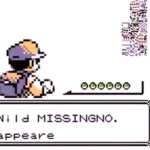
Lost Silver is one of the most recognizable and disturbing creepypasta stories to emerge from the Pokémon video game community. This terrifying tale of a haunted copy of Pokémon Silver has gained immense popularity among fans of alternate, dark interpretations of this colorful universe. The story depicts the macabre experience of a player who acquires a mysterious version of the game, only to discover that it holds much more than meets the eye.
Origins and Spread of the Legend
The story of Lost Silver appeared online around 2010 as an anonymous tale, quickly gaining popularity on various forums and websites dedicated to paranormal phenomena in video games, including the Creepypasta Wiki. Like many urban legends related to the series, Lost Silver capitalizes on players’ nostalgia for older titles while transforming the joyful world of pocket monsters into something far more sinister and disturbing.
This phenomenon fits into a broader trend of creepypastas related to electronic entertainment, which often tell the story of cursed or modified versions of popular games. Similar stories, such as “Lavender Town Syndrome” and “Buried Alive,” also utilize elements of the Pokémon series, creating alternative, dark interpretations of this colorful universe.
The Plot of the Haunted Game
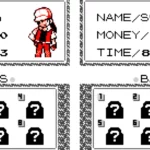
The story begins with an anonymous narrator who acquires a suspiciously cheap copy of Pokémon Silver. After opening the cartridge, he discovers that the game save contains a character named “…” (three dots), who has maximum money, all badges, and a complete Pokédex. Instead of a standard party, the player only has five Unown (mysterious creatures shaped like letters) spelling out the word “LEAVE” (run) and a Cyndaquil named “HURRY” (hurry).
While exploring the game, the protagonist finds himself in a dark room, which, instead of lighting up after using the Flash move, turns blood-red. As the game progresses, the main character’s sprite (Gold) undergoes terrifying transformations – first he loses his arms, then his legs, and tears of blood begin to flow from his eyes.
The Pokémon team also changes – the Unown begin to display increasingly disturbing messages, such as “HEDIED” after Cyndaquil’s death, and “DYING” later in the game. At one point, a damaged, half-sprit of the legendary Celebi also appears.
The story culminates in an encounter with Red (the protagonist of the earlier games), who is also decaying and possesses a crying Pikachu at level 255. After a battle in which both Pokémon die, Red appears headless. Eventually, Gold is reduced to a transparent, floating head, and the game ends with him meeting his normal sprite, which says “Goodbye forever…” and disappears.
Fan Theories and Interpretations
Suicide and Forgetting
One of the most popular theories suggests that Lost Silver tells the story of trainer Gold, who, after defeating Red on Silver Mountain (an event from the original game), led to his suicide. According to this interpretation, Red couldn’t accept the loss of his title as champion and took his own life by jumping from the mountain.
Over the years, Gold, too, was forgotten by the world, despite his achievements. His Typhlosion died, and he ultimately met his end in a similar manner to Red. The game thus depicts his posthumous journey, during which he must face the consequences of his actions and his own mortality.
Punishment for the Player’s Cruelty
Another theory suggests that Gold was a cruel trainer who used his Pokémon as tools to achieve success, disregarding their well-being. The Unown that appear in the game are supposed to be supernatural beings punishing him for his actions.
According to this interpretation, the Cyndaquil named “HURRY” is a descendant of his original Typhlosion, who suffered from constant rushing and being forced to fight beyond his strength. Celebi, as a time-traveling Pokémon, would show Gold the consequences of his actions.
Connection with other creepypastas
Some fans connect Lost Silver with another popular creepypasta, “Strangled Red.” According to this theory, if the player loses a battle with Steven (the protagonist of Strangled Red), they are transported to the world of Lost Silver, beginning their journey as Gold’s ghost.
This theory is based on similarities between the two stories, such as themes of death, ghosts, and haunted games. While there is no official confirmation that the two stories are connected (especially since the author of Lost Silver remains anonymous), the idea has gained popularity among fans of the genre.
Influence on the Culture and Legacy of the Game Series
Lost Silver has had a significant impact on the Pokémon fan community and creepypasta enthusiasts. The story has inspired numerous fan art, animations, and even playable adaptations. Fans have created a game based on the story, faithfully recreating the events described and allowing players to experience this dark story firsthand.
Interestingly, the popularity of Lost Silver and similar stories demonstrates how fans of the series crave deeper, more mature interpretations of the Pokémon universe. While the official games maintain a light, child-friendly tone, creepypastas like this one explore darker aspects of the universe, such as mortality, oblivion, and the consequences of treating creatures as tools of battle.
Characteristic Elements and Symbolism
Unown and Their Messages
Unown, letter-shaped Pokémon, act as messengers of ominous messages in Lost Silver. Their use is not coincidental – in the official games, these mysterious creatures are associated with puzzles and ancient mysteries. In Creepypasta, they become a tool of communication from the afterlife, conveying warnings and gruesome information to the player.
The messages composed by the Unown (“LEAVE,” “HEDIED,” “DYING,” “NO MORE”) create a narrative about the inevitability of death and the futility of escaping fate. Their presence emphasizes the supernatural nature of the experience and suggests that the forces controlling the game are aware of the player’s presence.
Character Transformation and Limb Loss
The gradual degradation of the Gold sprite – from a full form, through limb loss, to becoming merely a transparent head – symbolizes the process of death and decay. This macabre transformation contrasts with the colorful, welcoming world of the original games, creating an unsettling dissonance.
Bloody tears flowing from the characters’ eye sockets add an element of body horror rarely seen in Pokémon games. This drastic visual transformation remains one of the most memorable and disturbing aspects of the entire story.
Red Rooms and Color Symbolism
The red rooms appearing after the Flash move are a clear reference to blood and death. The contrast between the expected brightening and the resulting blood-red light creates a moment of shock that sets the tone for the rest of the story.
The transition from a colorful world to monochromatic white sprites echoes the older Game Boy games in the series, simultaneously symbolizing the transition between the worlds of the living and the dead.
Comparison with Other Pokémon Legends – Lavender Town
Compared to other popular creepypastas related to the series, Lost Silver stands out for its existential message. While “Lavender Town Syndrome” focuses on the supposed physical effects of the game’s music, and “Buried Alive” explores hidden, terrifying content, Lost Silver explores deeper themes such as mortality, oblivion, and the consequences of our actions.
The story utilizes familiar elements from the original games—Mt. Silver, the fight against Red, the Unown—giving them a new, dark meaning. This makes it particularly resonant with fans of the series, who recognize these references and appreciate their subversive use.
Pokémon Lost Silver – Summary
Lost Silver remains one of the most fascinating and unsettling Pokémon creepypastas. Combining nostalgia for the classic games with elements of existential horror, it creates an alternative interpretation of this colorful world that resonates with more mature fans of the series.
The story, despite its simplicity, touches on universal themes of mortality, oblivion, and the consequences of our actions. Its enduring popularity speaks volumes about the power of a good horror story and the desire of fans to explore the darker aspects of even the most benign fictional worlds.
Whether interpreted as a tale of retribution for cruelty, a story of suicide and oblivion, or simply a terrifying urban legend, Lost Silver has become a permanent fixture in the canon of internet horror stories, inspiring generations of creators and fans of alternative interpretations of popular franchises.

About the Author