 Wodzu
Wodzu 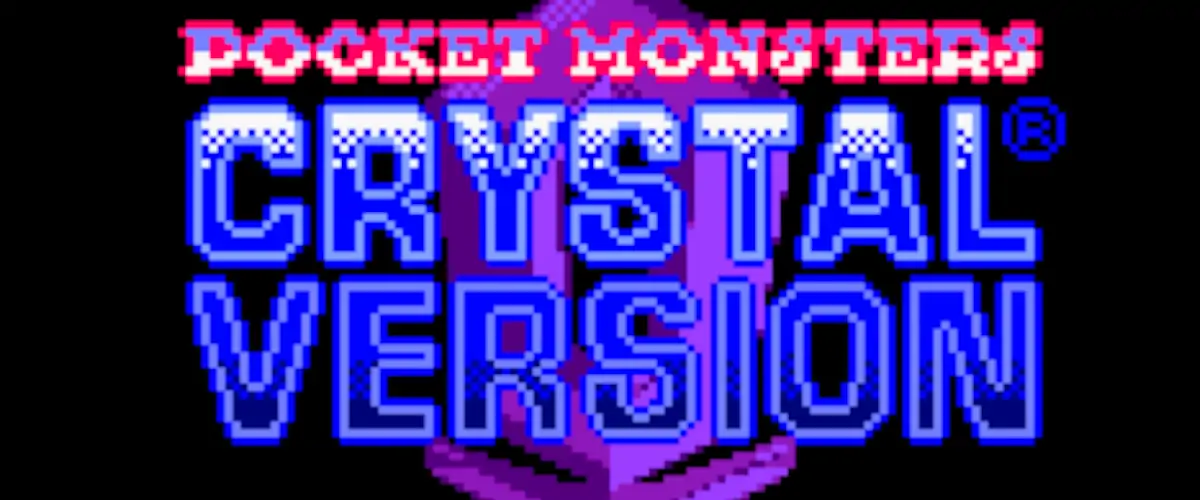
The story of the Vietnamese Pokémon Crystal bootleg phenomenon
The world of unofficial video game versions is full of interesting examples, but few have achieved such cult status as the infamous bootleg known as Vietnamese Crystal. This unauthorized copy of the Pocket Monsters game (Pokémon Crystal) gained immense popularity not because of additional features or improvements, but because of a ridiculously poor translation that transformed a simple plot into a surreal journey filled with incomprehensible dialogue and bizarre phrases.
Origin and History of Pocket Monsters Crystal Version
The Vietnamese bootleg Pokémon Crystal likely appeared on the market around 2001, shortly after the original game’s Japanese release on December 14, 2000. Despite its name, there is strong evidence to suggest that the game was not directly translated from Vietnamese. Instead, a more likely scenario is that it was the result of multiple translations: first from Japanese to Chinese, and then from Chinese to English.
Analysis of the in-game text indicates a Chinese origin for the translation. For example, the Chinese greeting “wei” appears in the game, and the sinister organization known in the original as Team Rocket is referred to as the “Black Society,” a literal translation of the Chinese term for mafia. The most striking feature, however, is the overuse of the word “fuck,” likely a result of automatic translation of a Chinese character that can mean “to make” or “to place.”
It’s worth noting that at the time, China wasn’t receiving official versions of the games in the series, creating a market for unofficial translations and bootlegs. Game cartridges were sold in marketplaces in Vietnam and other Southeast Asian countries, often under the names “Pocket Monsters: Crystal Version” or “Pokemon Special Pikachu Edition Crystal Version.”
Discovery and Rise of Popularity
The bootleg remained relatively unknown to the general public until 2010, when it was unveiled at a charity video game marathon organized by the group ExtraLives. It was during this event that the game received the nickname “Vietnamese Crystal,” which stuck with it forever.
The real breakthrough in popularity, however, came in March 2011, when the group DeliciousCinnamon launched a series of “Let’s Play” videos on YouTube, showcasing bootleg gameplay. The first episode of this series garnered over 890,000 views, launching the game into mainstream internet culture. Since then, Vietnamese Crystal has become a phenomenon, inspiring countless memes, fan art, and references within the fan community.
Why is the translation so bad?
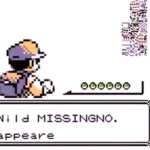
The absurdity of Vietnamese Crystal’s translation stems from several factors. First, the translation process traversed multiple languages (Japanese → Chinese → English), which invariably leads to a loss of context and meaning. Second, the translation was likely performed by people with limited English proficiency or using early, imperfect automatic translation tools.
The result is text that vacillates between “pure gibberish” and “a partially recognizable linguistic disaster.” Dialogue often contains words that bear some relation to the original meaning but are used in the wrong context or with incorrect syntax, creating a surreal effect.
Game Structure and Content
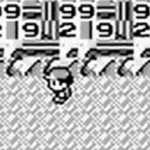
Despite the disastrous translation, Vietnamese Crystal retains most of the original game’s features. Players can still traverse the Johto and Kanto regions, collect badges, capture creatures, and battle other Trainers. The game mechanics remain largely intact, though some elements may malfunction due to tampering with the game code during the bootlegging process.
The main difference lies in the text, which is almost completely incomprehensible. The names of creatures, attacks, items, and locations have been translated in ways as absurd as the dialogue. For example, basic healing potions are called “DRUG,” and special attacks often have nonsensical names that reveal little about their actual effects.
Cultural Impact and Legacy
Vietnamese Crystal has become more than just a flawed bootleg—it’s a cultural phenomenon that has had a significant impact on the fan community. Its absurd translation has spawned countless memes, jokes, and references that have stood the test of time and are still recognizable even among newer fans of the series.
The game has also seen numerous forms of commemoration, from compilations of its funniest quotes, to fan animations, to merchandise inspired by its famous phrases. Some fans have even created “cookbooks” containing recipes for dishes featured in the game, such as the aforementioned “VOLCANO BAKEMEAT.”
Interestingly, Vietnamese Crystal has also become a subject of study for those interested in video game translation and localization. It serves as a prime example of how not to translate games, demonstrating the importance of maintaining cultural context and employing competent translators familiar with both the source and target languages.
Contemporary Availability
Original Vietnamese Crystal cartridges are now rare collectors’ items, difficult to find outside of specialized auctions. However, thanks to emulation and ROMs, this iconic version of the game remains available to interested players. Many fans deliberately choose this version over the original precisely because of its absurd translation, treating it as a comedic alternative.
It’s worth remembering, however, that as a bootleg, Vietnamese Pokémon Crystal is a pirated product and its distribution remains illegal. Nevertheless, its cultural status means it is frequently discussed and analyzed in academic and historical contexts.
Similar Cases
Vietnamese Crystal isn’t the only bootleg to achieve cult status thanks to a poor translation. Another famous example is “Backstroke of the West,” a pirated version of “Star Wars: Revenge of the Sith” with an absurd Chinese-English translation that gave the world such gems as “The geography that I stand compares you superior to” and the famous “Don’t want” instead of “Nooooo!”.
These cases illustrate a fascinating aspect of global popular culture, where failed attempts to transcend language barriers become cultural phenomena in their own right, often gaining greater recognition than many official products.
Vietnamese Pokemon Crystal – Summary
Vietnamese Crystal remains one of the most fascinating cases in the history of video game bootlegs. What was supposed to be a pirated copy of a popular game became a cultural phenomenon thanks to an absurd translation that transformed a simple plot into a surreal journey filled with incomprehensible dialogue and bizarre twists.
Its influence on internet culture is undeniable, and quotes from the game continue to appear in memes and jokes even years after its discovery. Vietnamese Crystal demonstrates how unexpected elements of popular culture can take on a life of their own and become something much larger than originally intended.
Whether viewed as an example of poor translation, a curiosity from video game history, or simply a source of fun, Vietnamese Pokémon Crystal will forever be etched in history as one of the most recognizable and beloved bootlegs of all time. Its legacy endures, reminding us that sometimes the greatest gems in popular culture arise from mistakes and misunderstandings, not from intentional design.

About the Author