
 Wodzu
Wodzu 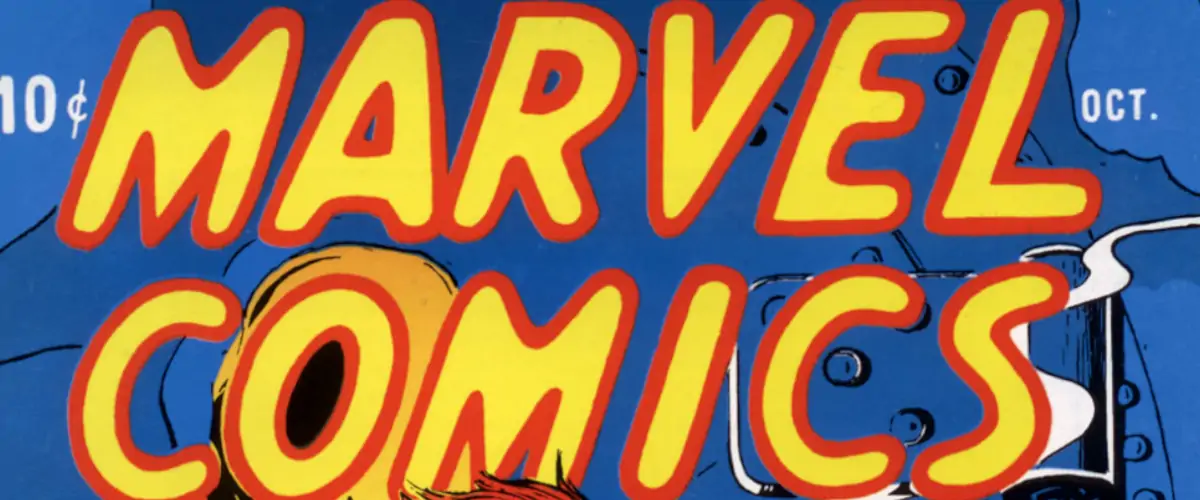
First Marvel Comics – The Birth of the Marvel Comics Empire
American publisher Marvel Comics, now a giant in the entertainment industry, began as a modest company publishing simple comics featuring the adventures of fictional characters. The history of this comic book giant dates back to the late 1930s and is a fascinating tale of the evolution of a medium that has become an integral part of pop culture. This article will trace the origins of this publisher, its first publications, and the characters that initiated the construction of a vast superhero universe.
The Birth of Timely Publications
The history of Marvel begins in 1939, when entrepreneur Martin Goodman founded Timely Publications. The company initially intended to publish a variety of content, including pulp magazines and comic book adventures. Goodman, recognizing the growing popularity of comics, decided to enter this market, a decision that proved to be transformative for American pop culture.
Marvel Comics #1 – the cornerstone of an empire, the most expensive comic book
The first issue published by Timely Publications was titled “Marvel Comics #1” and was released on October 1, 1939. This historic publication featured the debuts of two iconic characters:
- Human Torch (not to be confused with a later member of the Fantastic Four) – an android created by Professor Phineas Horton who could control fire
- Sub-Mariner (Namor) – prince of the underwater kingdom of Atlantis, gifted with superhuman strength and the ability to breathe underwater
This issue, costing just 10 cents at the time, is now one of the most valuable artifacts of the Golden Age of comics. In 2019, a copy of “Marvel Comics #1” in mint condition sold at auction for a record $1.26 million, making it one of the most expensive comic books in history.
Captain America Comics #1 – The Birth of an Icon
In March 1941, Timely Publications published the first issue of the “Captain America Comics” series, introducing the character of Steve Rogers, a physically weak youth transformed by an experimental serum into a super-soldier fighting the Nazis. The cover of this issue, depicting the titular hero striking Adolf Hitler, became one of the most recognizable images in the history of American comics.
Captain America was created by Joe Simon and Jack Kirby – the latter later becoming one of the most important creators in the industry. The first issue sold nearly a million copies, a huge success that cemented the publisher’s position in the market.
The Golden Age of Comics and the Transformation of Atlas Comics
After World War II, the popularity of superheroes began to decline. Responding to changing reader tastes, Timely Publications began publishing issues in a variety of genres, including Westerns, horror, romance, and comedies.
In 1950, the publisher changed its name to Atlas Comics, publishing under this banner for a full decade. This was a difficult period for the industry, marked by controversy over the alleged negative influence of comics on young people, which led to the introduction of the self-regulating Comics Code.
The Birth of Marvel Comics and the Revolution of the 1960s
The real turning point came in the early 1960s, when the publisher, then headed by editor Stan Lee, decided to return to publishing superhero stories. In 1961, the publisher changed its name to Marvel Comics, ushering in a new era in its history.
Fantastic Four #1 – The Beginning of Marvel’s “Silver Age”
In November 1961, “Fantastic Four #1,” created by Stan Lee and Jack Kirby, was published. This issue introduced four heroes who gained superpowers after exposure to cosmic radiation: Reed Richards (Mr. Fantastic), Sue Storm (Invisible Girl), Johnny Storm (Human Torch), and Ben Grimm (Thing).
The Fantastic Four differed from previous superheroes – they were imperfect, bickered with each other, and faced real problems. This more realistic approach to the characters became a hallmark of Marvel and contributed to the publisher’s enormous success.
Amazing Fantasy #15 – Spider-Man’s Debut
In August 1962, in the final issue of the “Amazing Fantasy” series, the character who would become the publisher’s most recognizable character debuted: Spider-Man. Created by Stan Lee and Steve Ditko, Peter Parker was a teenager who gained superhuman abilities after being bitten by a radioactive spider.
Spider-Man quickly became one of the most popular characters in comic book history, and his debut issue is now one of the most valuable. In 2021, a copy of “Amazing Fantasy #15” sold for a record $3.6 million, becoming the most expensive comic book in history.
The Incredible Hulk #1 – The Rise of the Green Giant
In May 1962, a few months before Spider-Man’s debut, Marvel introduced another iconic character: the Hulk. Created by the Lee-Kirby duo, Bruce Banner was a scientist who, after exposure to gamma radiation, gained the ability to transform into a powerful, green giant.
Although the initial run of “The Incredible Hulk” ended after only six issues, the character returned as a member of the Avengers and eventually received his own long-running series.
Journey Into Mystery #83 – Thor’s Marvel debut
In August 1962, in the series “Journey Into Mystery,” Thor debuted—the Norse god of thunder who was sent to Earth by his father Odin to learn humility. Created by Stan Lee, Jack Kirby, and Larry Lieber, Thor became a pillar of the Marvel Universe and a founding member of the Avengers.
Tales of Suspense #39 – Iron Man’s first appearance
In March 1963, Tony Stark, known as Iron Man, debuted in the series “Tales of Suspense.” Created by Stan Lee, Jack Kirby, Larry Lieber, and Don Heck, Iron Man was a brilliant inventor and businessman who created an advanced suit of armor to save his own life after suffering serious injuries.
X-Men #1 – Mutants, Marvel’s Superheroes
In September 1963, the first issue of the “X-Men” series was published, introducing a group of mutants led by Professor Charles Xavier. The original X-Men included Cyclops, Marvel Girl (Jean Grey), Beast, Angel, and Iceman. Created by Stan Lee and Jack Kirby, the X-Men initially enjoyed limited success, but after the series’ reboot in the 1970s, they became some of the publisher’s most popular heroes, particularly thanks to characters like Wolverine.
Daredevil #1 – The Blind Defender of Justice
Daredevil, created by Stan Lee and Bill Everett, debuted in April 1964. Matt Murdock was a blind lawyer who, after an accident with radioactive material, gained heightened senses, allowing him to fight crime as a masked hero.
The Impact of Marvel’s Early Comics on Pop Culture
The first issues of Marvel Comics had a profound impact on pop culture, introducing a new approach to superhero storytelling. Characters created by Stan Lee, Jack Kirby, and other artists became pop culture icons, inspiring countless adaptations in various media.
Today, thanks to the success of the Marvel Cinematic Universe, these characters are known worldwide, and their adventures are watched by millions. However, it was these first issues, published between 1939 and 1964, that laid the foundation for the entertainment empire we know today.
Marvel’s First Comics – Summary
The history of the first Marvel comics tells the story of the evolution of the medium and the birth of characters who have become part of global culture. From its humble beginnings as Timely Publications, through its transformation into Atlas Comics, to the 1960s revolution that established Marvel Comics as an industry leader, this history reveals how the vision of creators like Stan Lee and Jack Kirby changed the face of American pop culture.
Today, Marvel’s first issues are not only treasured collector’s items but also a testament to the birth of a universe that continues to grow and inspire generations of readers and viewers worldwide. From the Human Torch and Sub-Mariner, through Captain America, to Spider-Man, Deadpool, and the X-Men, these characters began a journey that continues to this day and shows no signs of slowing down.

About the Author