 Wodzu
Wodzu 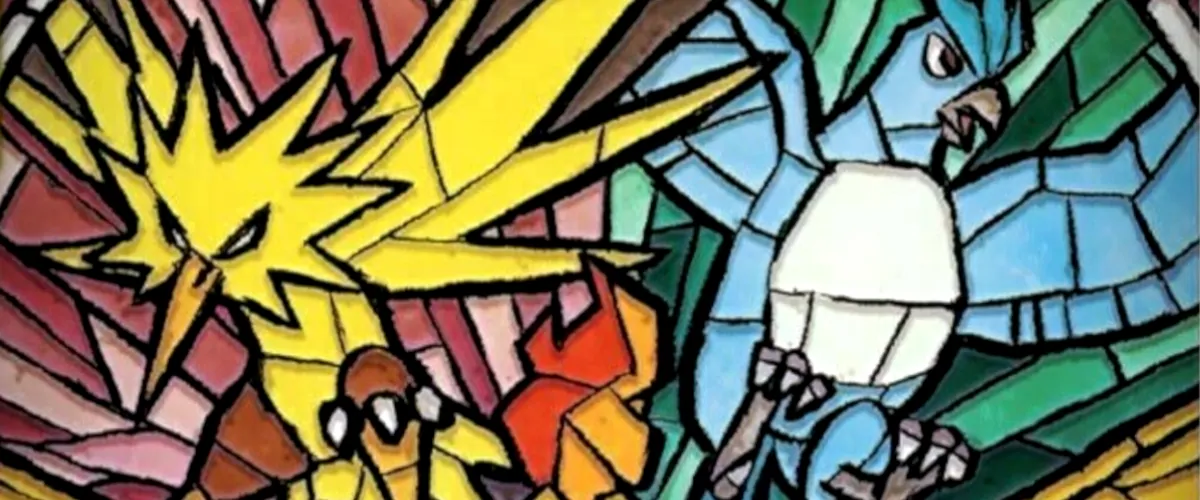
Mythical Pokémon – A Guide to Legends of Pokémon World
The Pokémon world is full of fascinating creatures, but among them, there’s an elite group distinguished by their rarity, power, and significance in the universe’s mythology. These are Mythical and Legendary Pokémon—creatures steeped in legend, often possessing unimaginable power and playing key roles in the history of the Pokémon world. In this article, we’ll take a detailed look at these unique Pokémon, their classification, how to obtain them, and some interesting facts about them.
The Difference Between Legendary and Mythical Pokémon
While in Western terminology, all rare and powerful Pokémon were long referred to as “Legendary,” in the Japanese version, from the very beginning, there was a clear division into two categories:
- Legendary (Japanese: 伝説のポケモン, Densetsu no Pokémon)—extremely rare and powerful creatures that can be caught in the main game.
- Mythical Pokémon (Japanese: 幻のポケモン, Maboroshi no Pokemon, literally “Illusory Pokémon”) are unique species that were originally only available through special distribution events and could not be caught in normal gameplay.
This classification was officially introduced in English versions only in Generation V, although the term “Rare Pokémon” was previously used to translate the Japanese term for Mythical Pokémon.
Legendary Pokémon
Legendary Pokémon are extremely powerful and rare creatures that are often tied to the mythology and legends of the Pokémon world. They typically appear only once in each game and have high base stats. Here are the most important groups of Legendary Pokémon:
Legendary Birds (Generation I)
- Articuno – Ice/Flying-type
- Zapdos – Electric/Flying-type
- Moltres – Fire/Flying-type
These three Pokémon, also known as the “bird trio,” were the first Legendary Pokémon introduced in the series. In the original games, they could be found in different locations: Articuno in the Seafoam Islands, Zapdos in the Power Plant, and Moltres in Victory Road.
Legendary Beasts (Generation II)
- Raikou – Electric-type
- Entei – Fire-type
- Suicune – Water-type
According to legend, these three Pokémon perished in the Brass Tower fire in Ecruteak City but were revived by Ho-Oh. They represent, respectively, the lightning that struck the tower, the fire that burned it, and the rain that extinguished the fire.
Tower Duo (Generation II)
- Ho-Oh – Fire/Flying-type
- Lugia – Psychic/Flying-type
These two powerful Pokémon are the mascots of Pokémon Gold and Silver. Ho-Oh resided in the Bell Tower in Ecruteak City, while Lugia resided in the Brass Tower before its destruction.
Regis (Generation III)
- Regirock – Rock-type
- Regice – Ice-type
- Registeel – Steel-type
- Regigigas (Generation IV) – Normal-type
- Regieleki and Regidrago (Generation VIII) – Electric and Dragon-type
A group known as “golems” or “titans,” created by Regigigas. According to legend, Regigigas moved the continents to their current positions and then created three Pokémon in his image: Regirock from clay, Regice from ice, and Registeel from magma.
Weather Trio (Generation III)
- Kyogre – Water-type
- Groudon – Ground-type
- Rayquaza – Dragon/Flying-type
They are responsible for shaping the world. Kyogre created the oceans, Groudon shaped the land, and Rayquaza rules the sky. According to legend, thousands of years ago, Kyogre and Groudon engaged in a fierce battle for natural energy, which was only ended by Rayquaza’s intervention.
Eon Duo (Generation III)
- Latios – Dragon/Psychic-type
- Latias – Dragon/Psychic-type
Brother and sister who can change their appearance to resemble humans. They are known for their intelligence and ability to communicate telepathically.
Lake Guardians (Generation IV)
- Uxie – Psychic-type
- Mesprit – Psychic-type
- Azelf – Psychic-type
A trio created by Arceus, representing knowledge (Uxie), emotion (Mesprit), and willpower (Azelf). According to legend, they are capable of controlling and calming Dialga and Palkia if they become enraged.
Creation Trio / Pokémon of Myth (Generation IV)
- Dialga – Steel/Dragon-type, master of time
- Palkia – Water/Dragon-type, master of space
- Giratina – Ghost/Dragon-type, master of antimatter
They were created by Arceus at the beginning of the universe. Dialga controls time, Palkia controls space, and Giratina was banished to the Distortion World for his violent nature. It’s worth noting that in the Japanese version of the games, they are referred to as “神話のポケモン” (Shinwa no Pokemon, “Mythical Pokémon” with a lowercase letter), a term distinct from the official Mythical Pokémon.
Swords of Justice (Generation V)
- Cobalion – Steel/Fighting-type
- Terrakion – Rock/Fighting-type
- Virizion – Grass/Fighting-type
- Keldeo (Mythical) – Water/Fighting-type
A group of Pokémon inspired by the Three Musketeers who protect other creatures from humans. Keldeo, although related to this trio, is classified as Mythical.
Forces of Nature (Generation V)
- Tornadus – Flying-type
- Thundurus – Electric/Flying-type
- Landorus – Ground/Flying-type
Enamorus (Generation VIII) – Fairy/Flying-type
A trio (later a quartet) representing the forces of nature: wind, thunder, and earth. Enamorus, added in Pokémon Legends: Arceus, represents love and fertility.
Tao Trio (Generation V)
- Reshiram – Dragon/Fire-type
- Zekrom – Dragon/Electric-type
- Kyurem – Dragon/Ice-type
A trio representing the concepts of truth (Reshiram), ideals (Zekrom), and the void (Kyurem). According to legend, they were once a single Pokémon that separated after a conflict between brother rulers.
Aura Trio (Generation VI)
- Xerneas – Fairy-type
- Yveltal – Dark/Flying-type
- Zygarde – Dragon/Ground-type
A trio representing life (Xerneas), death (Yveltal), and order (Zygarde). Xerneas can give life, Yveltal takes it, and Zygarde maintains the balance between them.
Guardian Deities (Generation VII)
- Tapu Koko – Electric/Fairy-type
- Tapu Lele – Psychic/Fairy-type
- Tapu Bulu – Grass/Fairy-type
- Tapu Fini – Water/Fairy-type
The four guardian deities of the Alola Islands, inspired by Hawaiian gods.
Light Trio (Generation VII)
- Solgaleo – Psychic/Steel-type
- Lunala – Psychic/Ghost-type
- Necrozma – Psychic-type
A trio associated with light. Solgaleo represents the sun, Lunala the moon, and Necrozma (known as “Blinding”) is the source of light in the Alola region.
Hero Duo (Generation VIII)
- Zacian – Fairy/Steel-type
- Zamazenta – Fighting/Steel-type
A duo known as the “heroes of many battles” who saved the Galar region from the cataclysm known as Darkest Day.
Mythical Pokémon
This is a special category of rare Pokémon that were originally available only through official distribution events. They are often even rarer than Legendaries and hold special significance in the mythology of the universe. Here’s a list of them all:
Generation I
- Mew – Mythical Psychic-type Pokémon, ancestor of all creatures
Generation II
- Celebi – Mythical second-generation Psychic/Grass-type Pokémon, known as the “Guardian of the Forest” and the “Time Traveler”
Generation III
- Jirachi – Steel/Psychic-type, known for its ability to grant wishes
- Deoxys – Psychic-type, an alien that can change its form
Generation IV
- Phione – Water-type, descendant of Manaphy and Ditto
- Manaphy – Water-type, known as the “Prince of the Sea”
- Darkrai – Dark-type, causing nightmares
- Shaymin – Grass-type, capable of purifying polluted air
- Arceus – Normal-type, creator of the universe
Generation V
- Victini – type Psychic/Fire-type, bringing victory
- Keldeo – Water/Fighting-type, associated with the Swords of Justice
- Meloetta – Normal/Psychic-type, master of music and dance
- Genesect – Bug/Steel-type, ancient Pokémon modified by Team Plasma
Generation VI
- Diancie – Rock/Fairy-type, capable of creating diamonds
- Hoopa – Psychic/Ghost-type, capable of transporting objects through dimensions
- Volcanion – Fire/Water-type, generating steam
Generation VII
- Magearna – Steel/Fairy-type, artificial Pokémon created 500 years ago
- Marshadow – Fighting/Ghost, traveling through shadows
- Zeraora – Electric-type, moving at lightning speed
- Meltan and Melmetal – Steel-type Pokémon, associated with metal Mercury
Generation VIII
- Zarude – Dark/Grass-type, known as the “King of the Jungle”
Generation IX
- Gimmighoul and Gholdengo – Ghost/Steel-type, associated with gold
- Walking Wake – Water/Dragon-type, paradoxical form of Suicune
- Iron Leaves – Grass/Psychic-type, paradoxical form of Virizion
How to Obtain Legendary and Mythical Pokémon
Legendary Pokémon
Legendary Pokémon are usually available in the main game, though they often require certain conditions to be met:
- Static Encounters – Most Legendary Pokémon appear in specific locations in the game as single, unique encounters.
- Raids – In newer games, especially Pokémon GO, they appear as raid bosses.
- Special Quests – Some Legendaries are available after completing special tasks or quests.
- Exclusive Versions – Some are only available in specific versions of the game (e.g., Zacian in Sword, Zamazenta in Shield).
Catching Legendary Pokémon is usually difficult due to their low base catch chance. It’s recommended to use special Poké Balls, such as the Ultra Ball, Dusk Ball, or Premier Ball, depending on the situation.
Mythical Pokémon
Mythical Pokémon were traditionally only available through special distribution events:
- Official Events – Nintendo organizes special events during which players can receive a code to download a Mythical Pokémon.
- In-Store Distributions – Some Mythical Pokémon were distributed in stores such as GameStop.
- Special In-Game Quests – In newer games, some Mythical Pokémon are available after completing special quests (e.g., Keldeo in The Crown Tundra DLC for Sword/Shield).
- Field Research in Pokémon GO – Some Mythical Pokémon, like Mew and Celebi, are available through special research quests.
Over time, some Mythical Pokémon have become easier to obtain. For example:
- Deoxys, originally a Mythical Pokémon, became available through regular gameplay in Pokémon Omega Ruby and Alpha Sapphire.
- Celebi can be caught in the Virtual Console version of Pokémon Crystal, but is only available in the Japanese version of the Game Boy game.
- Keldeo is available in the Crown Tundra DLC for Pokémon Sword and Shield.
- Mew, Jirachi, and Arceus are available in Pokémon Brilliant Diamond and Shining Pearl if you have save data from other games.
Fun Facts about Legendary and Mythical Pokémon
- Arceus is considered the most powerful Pokémon in the entire series, as the creator of the universe. It can change its type using special Plates.
- Mew contains the DNA of all creatures and can learn any move that can be learned through TMs or HMs.
- Mewtwo was created by scientists from Mew DNA, making it one of the few artificial Legendary creatures.
- Rayquaza was the first to Mega Evolve without holding a Mega Stone.
- Shiny Legendary Pokémon are extremely rare. In older games, some (e.g., Zekrom and Reshiram in Black/White) were locked from being Shiny. Only in later games did all of them have this form.
- Deoxys is the only Pokémon to change its classification from Mythical to Legendary. This happened in Pokémon Omega Ruby and Alpha Sapphire, where it can be caught during normal gameplay.
- Phione has a unique status – although officially classified as a Mythical Pokémon, some question this classification because it can be bred (by breeding Manaphy with Ditto), which is unusual for a Mythical Pokémon.
- The Legendary Bird trio (Articuno, Zapdos, and Moltres) received regional forms in the Galar region, changing their types to Psychic/Flying, Fighting/Flying, and Dark/Flying.
- The Legendary Beast trio (Raikou, Entei, and Suicune) roam the map in Pokémon Gold, Silver, and Crystal, making them among the most difficult Legendary Pokémon to catch.
- Giratina has two forms: Altered Forme (used in the real world) and Origin Forme (used in the Distortion World). In the games, to maintain Origin Forme outside of Distortion World, Giratina must hold the Griseous Orb.
- Kyogre and Groudon can undergo Primal Reversion, an ancient form of Mega Evolution, when holding the Blue Orb and Red Orb, respectively.
- Zygarde comes in several forms: 10% Forme (resembling a dog), 50% Forme (standard), and Complete Forme (100%, used only in emergencies). It is composed of cells and cores scattered throughout the Kalos region.
- Necrozma can fuse with Solgaleo or Lunala to form Dusk Mane Necrozma or Dawn Wings Necrozma. After acquiring Ultranecrozium Z, it can transform into Ultra Necrozma.
- Melmetal is the only Mythical Pokémon that evolves. Meltan evolves into Melmetal after collecting 400 Meltan Candy in Pokémon GO.
- Arceus can create life with its 1,000 arms (though it is depicted with fewer limbs in the games). It created Dialga, Palkia, and Giratina, as well as the Lake Guardians (Uxie, Mesprit, and Azelf).
Role in the Plot of Games and Anime
They often play key roles in the plot of Pokémon games and anime:
In the Games
- Pokémon Red/Blue/Yellow – Mewtwo is the most powerful Pokémon to catch, hidden in Cerulean Cave.
- Pokémon Gold/Silver/Crystal – The plot revolves around the return of Ho-Oh and Lugia, as well as the Legendary Beasts.
- Pokémon Ruby/Sapphire/Emerald – The main storyline involves Team Aqua and Team Magma attempting to awaken Kyogre and Groudon, leading to catastrophic climate change that only Rayquaza can stop.
- Pokémon Diamond/Pearl/Platinum – Team Galactic attempts to harness the power of Dialga and Palkia (and Giratina in Platinum) to create a new universe.
- Pokémon Black/White – Team Plasma attempts to harness the power of Reshiram or Zekrom (depending on the version) to convince humans to release their Pokémon.
- Pokémon X/Y – Team Flare attempts to use the Ultimate Weapon powered by Xerneas or Yveltal to destroy the world and create it anew.
- Pokémon Sun/Moon/Ultra Sun/Ultra Moon – The plot revolves around Ultrabeasts, Solgaleo, Lunala, and Necrozma.
- Pokémon Sword/Shield – The main story revolves around Eternatus and the Dynamax phenomenon, as well as Zacian and Zamazenta’s role in protecting the Galar region.
- Pokémon Legends: Arceus – The game focuses on Arceus and its role in the creation of the Hisui region (formerly Sinnoh).
Legendary Pokémon in the Anime
Frequently appearing in Pokémon films:
- Mewtwo is the main antagonist in the first film, “Mewtwo Strikes Back.”
- Lugia is a central character in “Pokémon: The Movie 2000.”
- Celebi appears in “Pokémon 4Ever.”
- Jirachi is the titular protagonist of “Jirachi: Wish Maker.”
- Deoxys appears in “Destiny Deoxys.”
- Arceus is the main character of “Arceus and the Jewel of Life.”
In the anime series, Ash and his friends regularly encounter them during their travels, though these are usually brief encounters, such as in the series’ first episode.
Stats and Powers
They are known for their impressive base stats and unique abilities:
- Highest Base Stats – Arceus and Ultra Necrozma have the highest base stat totals (720 and 754), making them the strongest Pokémon in terms of pure numbers.
- Unique Moves – Many have exclusive moves, such as Spacial Rend (Palkia), Roar of Time (Dialga), Seed Flare (Shaymin), and Judgment (Arceus).
- Unique Abilities – They also have unique abilities, such as Pressure (increases the opponent’s PP consumption), Multitype (changes Arceus’s type depending on the item held), and Air Lock (neutralizes weather effects).
- Elemental Control – Many of them control the forces of nature: Groudon controls drought, Kyogre controls rain, Rayquaza controls the sky, Dialga controls time, Palkia controls space, etc.
Importance in the Metagame and Raids
They are of great importance in professional gameplay:
- Official Tournaments – In official VGC (Video Game Championships) tournaments, a limited number of Legendary Pokémon are usually allowed, with the strongest (so-called “box legendaries” like Groudon, Kyogre, Dialga, and Palkia) often being banned or restricted.
- Smogon Tiers – In the unofficial Smogon ranking system, many Legendary Pokémon are placed in the highest “Uber” category, which is above the standard OU (OverUsed).
- Pokémon GO – In Pokémon GO, Legendaries are often the strongest attackers in raids and PvP battles, although they cannot be placed in Gyms.
Accessibility Changes
Over time, accessibility has undergone significant changes:
- Increased Accessibility – Newer games offer more opportunities to catch Legendary Pokémon from previous generations. For example, in Ultra Sun and Ultra Moon, you can catch almost all Legendary Pokémon through Ultra Space Wilds and Ultra Wormholes.
- Mythical Pokémon are Becoming Easier to Acquire – Some, previously only available through events, have become easier to obtain in newer games.
- Pokémon HOME – The Pokémon HOME service allows you to transfer them between games, making it easier to collect rare specimens.
- Pokémon GO – In Pokémon GO, Legendary Pokémon are regularly available in raids, and some are available through special research tasks.
Summary
Legendary and Mythical Pokémon are a fascinating part of the Pokémon world, combining powerful stats, unique abilities, and rich storylines. From the first Legendary Birds in Generation I to the latest additions in Generation IX, these unique creatures continue to fascinate Trainers worldwide.
Their rarity, power, and importance in the world’s mythology make them highly coveted by collectors and competitive players. Whether you’re a beginner trainer or a seasoned master, encountering them is always a unique experience.
As the series evolves, we can expect the introduction of more fascinating creatures that will continue this rich tradition and add new chapters to the mythology of this extraordinary universe.
About the Author