 Wodzu
Wodzu 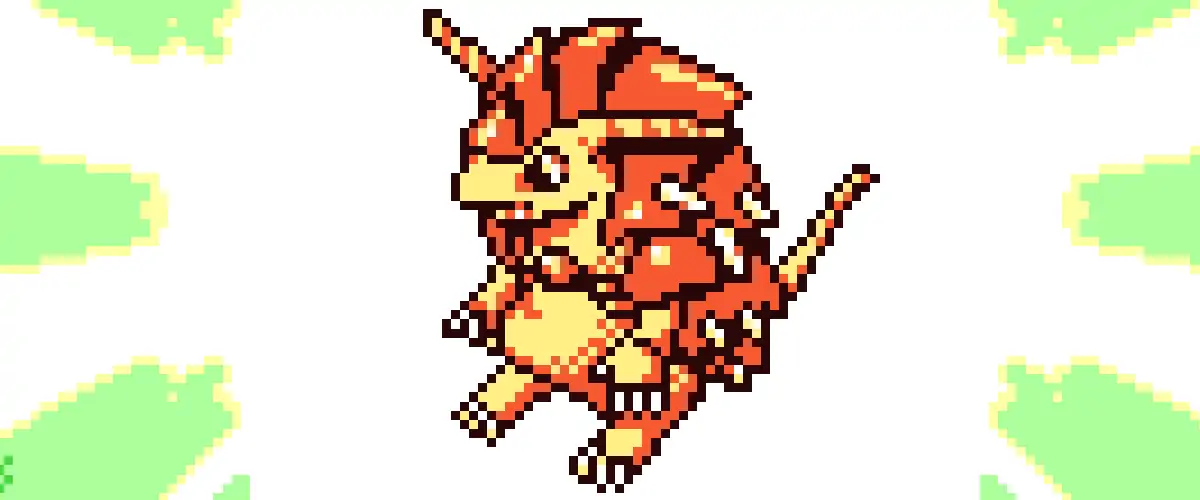
Telefang – Game Boy Color game known as Pokemon Diamond
Telefang is a fascinating Japanese RPG series that, despite its limited popularity in the West, has gained cult status among Nintendo handheld enthusiasts. Originally released in Japan in 2000 for the Game Boy Color, the series offers a unique blend of RPG elements with creature collecting mechanics, which has led to its misidentification with the Pokémon franchise. In this article, we will take a closer look at this intriguing series, its mechanics, plot, and the controversy surrounding unofficial versions of the game.
The History and Origins of Telefang
Keitai Denjū Telefang (translating to “Mobile Telephone Beasts”) is a series of RPGs developed by Natsume Co., Ltd. and published by Smilesoft. The first installment debuted in Japan on November 3, 2000, for the Game Boy Color, and was released in two versions: Power Version and Speed Version. Each version featured several exclusive creatures, encouraging players to trade with each other.
The series’ name comes from the Japanese word “keitai” (携帯), meaning cell phone, which refers to a key gameplay element – making phone calls to monsters, and “fang,” symbolizing the beasts.
On April 26, 2002, a sequel titled Keitai Denjū Telefang 2 was released, this time for the Game Boy Advance. Like the first installment, the sequel was also released in two versions – Power Version and Speed Version.
Gameplay and Mechanics
The main element of the game is collecting the phone numbers of various creatures, called Denjū (電獣). The player, known as the T-Fanger, uses a device called the D-Shot to contact these creatures and summon them for assistance in battles.
In the first installment of the series, the player takes on the role of a 10-year-old boy named Shigeki, who accidentally stumbles upon the world of Denjū. In the sequel, the protagonist is Kyō, who journeys to the world of Denjū in search of his missing father.
Combat System
Battles are turn-based, but with an interesting twist – a Denjū’s Speed stat determines how many turns it can take and when. This means that a faster Denjū can attack twice before a slower opponent makes a move.
Each Denjū has a set of stats: Life Points (HP), Speed, Attack, Defense, Denjū Attack, and Denjū Defense. Additionally, the type of environment in which a Denjū lives determines its weaknesses to Denjū attacks from other environments. In the first installment, there is a chain of vulnerabilities: Mountains → Sky → Forest → Water → Desert → Grassland → Mountains.
In Telefang 2, this system has been slightly modified – Denjū environments are defensive, and attacks have separate offensive types: Normal, Flame, Lightning, Water, Wind, Rock, and Machine.
Evolution
Denjū can evolve in three different ways:
- “Natural Evolution” – achieved by training Denjū
- “Modified Evolution” – by giving Denjū specific items in special areas
- “Experimental Evolution” – achieved by transferring DNA from one Denjū to another using an item called a Phone Card
- In the first game, evolution is permanent, while in Telefang 2 it can be reversed if it wasn’t achieved through “Natural Evolution.”
Plot
Part 1
The story takes place in the year 2020, where special cell phones equipped with a unique antenna called a D-Shot allow teleportation through “antenna trees.” Ten-year-old Shigeki finds one of these phones and is accidentally transported to another world along with another boy, Matsukiyo, when they lose a baseball near the “antenna tree.”
This world is full of fantastical creatures called Denjū, who possess their own D-Shots and use them to summon friends for help in battles. These telephone duels are known as Telefang. Shigeki becomes a T-Fanger and travels the Denjū world, trying to learn more about it. Along the way, he becomes entangled in various intrigues involving the evil Denjū and other humans.
Part 2
The sequel follows Kyō, a 10-year-old T-Fanger with blue hair, who journeys to the Denjū world in search of his missing father. Accompanied by his friend Midori, he encounters a Denjū named Diablos, who destroys “antenna trees” because he is displeased with humans entering the Denjū world.
After Diablos destroys all but one of the “antenna trees,” this last tree becomes the only gateway between the two worlds. Kyō must stop Diablos from destroying the last “antenna tree,” or he will be trapped in the Denjū world forever.
The Pokémon Diamond and Jade Controversy
One of the most fascinating aspects of Telefang’s history is its connection to a series of pocket-sized creatures marketed in the West as “Pokémon Diamond” and “Pokémon Jade.” These pirated games were unauthorized translations of the original games, falsely presented as part of the Pokémon franchise.
Interestingly, the creatures used on the covers of these pirated versions were neither Denjū nor Pokémon. The “Pokémon Jade” cover featured a modified design of the forest spirit from the film “Princess Mononoke,” while the “Pokémon Diamond” cover depicted a blue, snake-like creature of unknown origin.
These unofficial translations became infamous for their poorly translated English text and serious programming errors that could cause crashes. These errors were not present in the original Japanese versions.
Despite initial Western infamy associated with these unrepresentative pirated versions, the original productions have achieved cult status thanks to Saiko Takaki’s inspired creature designs, a superb soundtrack composed by Kinuyo Yamashita, a humorous story, and solid, if lightweight, gameplay.
Fan Community and Translations
For many years, Telefang remained a Japanese-only series, limiting its accessibility to Western gamers. However, thanks to the efforts of a dedicated fan community, in 2016—nearly 16 years after the original game’s release—the Telefang.net team completed an official translation patch for both versions of Keitai Denjū Telefang 1.
This translation patch not only includes a full English translation but also fixes numerous bugs in the original, allows for longer nicknames, streamlines name entry, restores and fully recolors Super Game Boy functionality (including the original borders), and introduces numerous other improvements.
The fan community remains active to this day, running websites such as Telefang.net, Wikifang (wiki), and the Tulunk Village forum. Thanks to these initiatives, the series is gaining increasing recognition among collectors and retro-gaming enthusiasts.
Manga Adaptation
The series has also received a manga adaptation. A manga based on Power Version was serialized by Kodansha. Initially published as a monthly supplement in Comic BonBon magazine, it was later reprinted as a three-volume tankōbon set.
Keitai Denjū Telefang 2 also received a manga serialized by Kodansha, but it was published exclusively in Comic BonBon magazine and never reprinted in volumes.
Summary of Information About the Telefang Series
This fascinating game series, despite its limited popularity in the West, offers a unique experience combining RPG elements with creature collecting mechanics. Its connection to pirated versions marketed as “Pokémon Diamond” and “Pokémon Jade” adds interesting historical context, and a dedicated fan community ensures that the series will not be forgotten.
For fans of Pokémon, Game Boy, and Japanese RPGs, it represents a fascinating chapter in the history of handheld video games, well worth discovering. Thanks to available translations, players around the world can now experience this unique series without language barriers.

About the Author