
 Wodzu
Wodzu 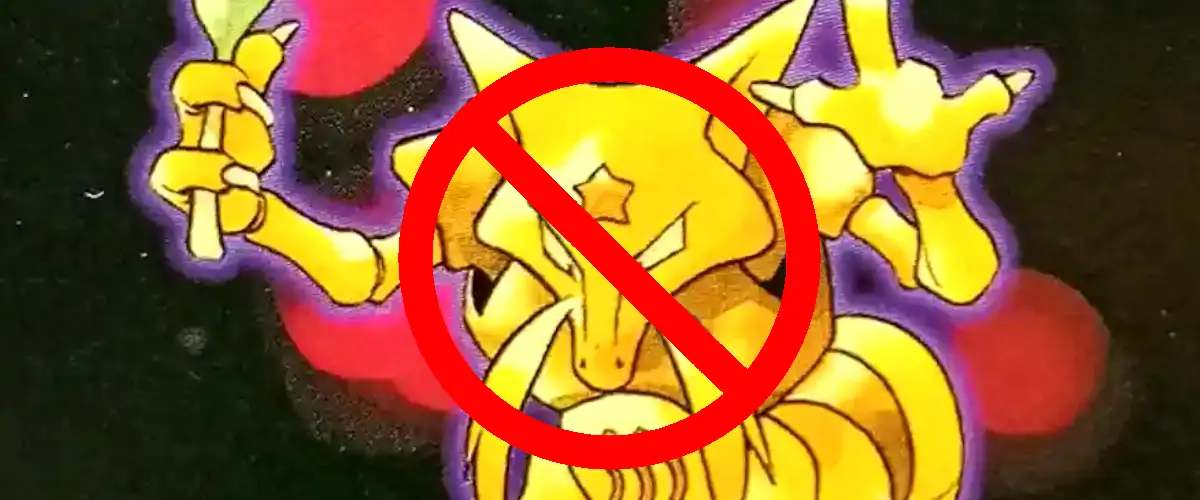
Uri Geller Kadabra: The History of Pokemon Card Lock
The world of the Pokémon trading card game (CGA) is full of fascinating stories, but few are as intriguing as the case of Kadabra, a psychic creature that was absent from official card releases for over 20 years due to legal controversy. This unusual situation resulted from the actions of Uri Geller, a renowned illusionist, who claimed that the creature’s character was unlawfully exploiting his image and personality.
The Origins of the Controversy
The conflict began in November 2000, when illusionist Uri Geller, a world-renowned spoon-bending magician, filed a lawsuit against Nintendo in federal court in Los Angeles. The magician sought £60 million in damages, claiming that the creature, named Kadabra (known as “Yungerer” in the Japanese version), constituted unauthorized use of his image.
The illusionist’s main argument was the striking resemblance between himself and Kadabra. The Psychic-type creature, a middle evolutionary link between Abra and Alakazam, possessed psychokinetic abilities and always wielded a curved spoon—just like in the Illusionist’s most recognizable trick.
Furthermore, the creature’s Japanese name—”Yungerer” (ユンゲラー)—sounds similar to the Japanese transliteration of the illusionist’s surname (ユリゲラー, “Yurigera”). This phonetic similarity between ユンゲラー and ユリゲラー provided additional evidence of inspiration from Geller’s character.
Accuses of Anti-Semitism
The controversy wasn’t limited to the use of the image. Geller, who is Jewish, also accused Nintendo of anti-Semitism in the Pokémon design. He pointed to the red star on the creature’s forehead and the lightning bolt symbols on its belly, which he claimed resembled the Waffen-SS logo from the Nazi era.
“Nintendo turned me into an evil, occult Pokémon,” he was quoted as saying in the media. “Nintendo stole my identity, using my name and my distinctive image.”
It’s worth noting, however, that the symbols visible on Kadabra are actually based on Zener cards, used to research psychic abilities since the 1930s. Geller himself used Zener cards in some of his performances, which adds an ironic dimension to the whole situation.
Geller’s Discovery of Kadabra
According to the illusionist himself, he learned of Kadabra’s existence by accident while Christmas shopping at a Pokémon Center in Japan. He claimed the store manager “ran out of his office, constantly bowing,” and then “hundreds of kids shoved Pokémon Trading Card Game cards at him for autographs, chanting something that sounded like Uri Geller.”
This experience, rather than being perceived as a form of recognition or tribute, left the magician indignant. He was particularly troubled by the way the Pokémon was depicted on the cards—the creature appeared angry and malicious, which didn’t align with the image the magician wanted to maintain.
Consequences of the lawsuit
Although the lawsuit was never fully resolved in court, the effects of the lawsuit were far-reaching. Nintendo and The Pokémon Company decided to take a radical step—completely removing the creature from the trading card game.
The last card featuring Kadabra was released in the Skyridge set in 2003, after which a hiatus of over twenty years followed. Furthermore, the character was also removed from the anime, creating a problematic story situation: Abra could evolve directly into Alakazam, skipping the middle stage of evolution.
Pokémon anime director and writer Masamitsu Hidaka confirmed in an interview that Kadabra will not appear on trading card characters until an agreement is reached.
Geller’s Change of Heart
After two decades of Kadabra’s absence from official products, an unexpected turn of events occurred in November 2020. Uri Geller publicly changed his mind and withdrew his objections to the use of his image.
“Due to the overwhelming number of emails I continue to receive begging me to allow Nintendo to reintroduce Kadabra, I have sent a letter to the President of Nintendo, giving them permission to reintroduce Uri Geller Kadabra/Yungeller worldwide,” the illusionist wrote.
Interestingly, the change of heart was largely the result of pressure from fans. A particularly significant factor was the campaign organized by PokéBeach forum members between 2018 and 2019, who systematically contacted the illusionist, attempting to persuade him to change his stance.
In December 2020, The Pokémon Company’s CEO, Tsunekazu Ishihara, responded to the letter, expressing gratitude for his decision.
Kadabra – Pokémon’s Return to the Game
After Geller withdrew his lawsuit, fans had to wait a few more years for Kadabra’s official return to the trading card game. In January 2023, PokéBeach revealed that the creature would appear in the upcoming “Pokémon Card 151” set, which was supposed to contain all 151 original creatures from the first generation.
The illusionist contacted PokéBeach directly after the news broke, saying: “I’m glad Pokémon fans are excited about Kadabra’s return to the trading card game. I want to thank the fans who have contacted me over the years. It was you and my granddaughters who made me change my mind.”
The illusionist also admitted that he regretted his earlier decision: “I was a fool. It was a devastating mistake on my part to sue Pokémon. Kadabra was essentially a tribute to Uri Geller. But now it’s back. Forgive me.”
A Legacy of Controversy
The case of Kadabra and Uri Geller offers a fascinating example of the intersection of pop culture and copyright law. For over two decades, one of the original 151 creatures was virtually absent from official products due to a dispute over image rights.
This situation also created a unique collectible phenomenon – cards featuring Kadabra released before 2003 have become rare and sought-after items among collectors, fetching high prices on the secondary market.
Kadabra’s return to the official trading card game in 2023 closed one of the most remarkable chapters in the franchise’s history, demonstrating the strength of the dedicated fan community, who, over the years, persevered in their efforts to persuade him to change his mind.
This story also serves as a cautionary tale for companies creating content inspired by real-life figures, demonstrating the importance of obtaining appropriate consent and avoiding controversial depictions that can lead to lengthy legal disputes.

About the Author