

>
The world of Pokémon is older than humans. They lived millions of years ago on Earth and inhabited every landmass and ocean. Some species still survive today, while others have become extinct for various reasons. To capture a prehistoric Pokémon, we can use its fossil.
Extinct Pokémon:
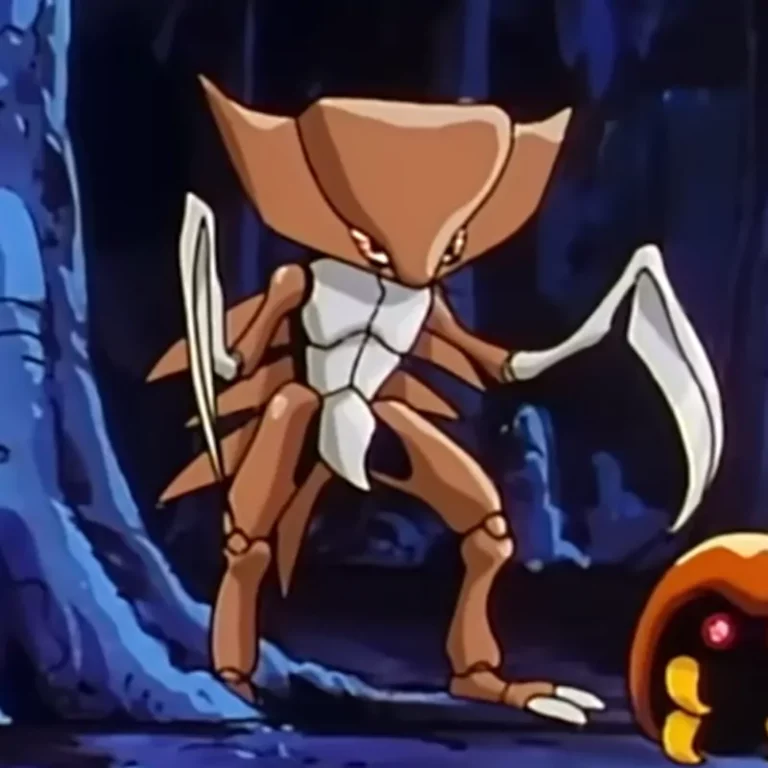
Kabuto
Kabuto is a Pokémon that resembles a prehistoric trilobite. Its body is covered in a hard, brown shell that provides excellent protection against attacks, while its underside is black and soft. It has yellow „eyes” visible on its upper body, which are actually fake – its real eyes are on its underside. It can be revived using the Dome Fossil.
Kabutops
Kabutops is an evolution of Kabuto. Its slender body, sharp, sickle-shaped claws, and tough armor give it an incredibly menacing appearance. Kabutops is fast and agile, adapted to hunting both in water and on land. Its claws are used to cut prey and suck fluids from them, which was its primary method of obtaining food.
Omanyte
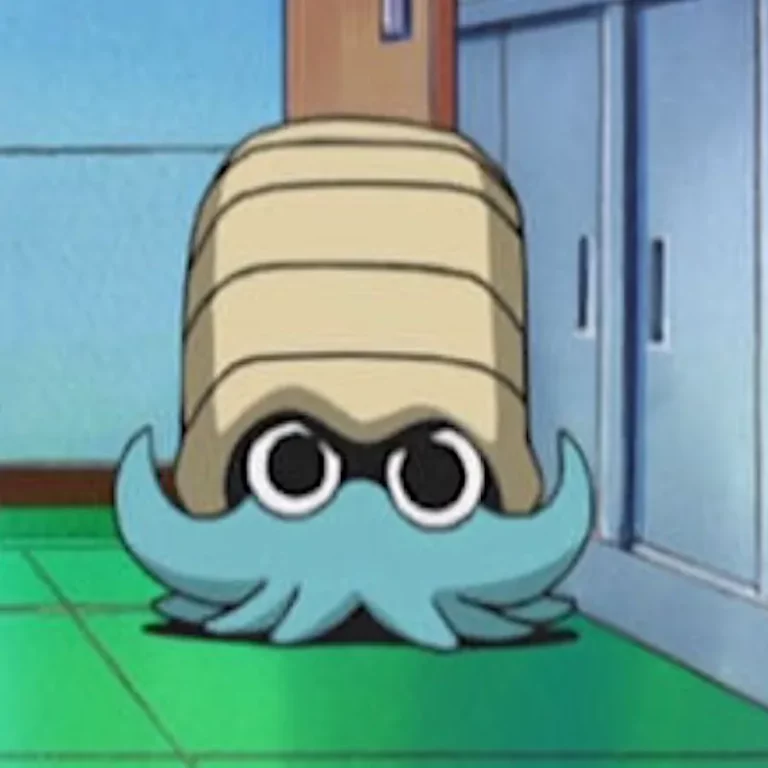
Omanyte resembles a prehistoric ammonite. It has a spiral, hard shell for protection and numerous tentacles, which it uses for locomotion and capturing food. It lived primarily in the oceans, filtering the water for food. Omanyte was considered extinct, but thanks to the Helix fossil, we can bring it back to life.
Omastar
Omastar is an evolution of Omanyte. Its spiral shell has become larger and heavier, and its numerous tentacles allow it to effectively hunt prey. Omastar uses sharp, beak-like jaws to crack open the shells of its prey. It is believed to have become extinct due to the difficulty of moving through water due to its massive shell.
Aerodactyl
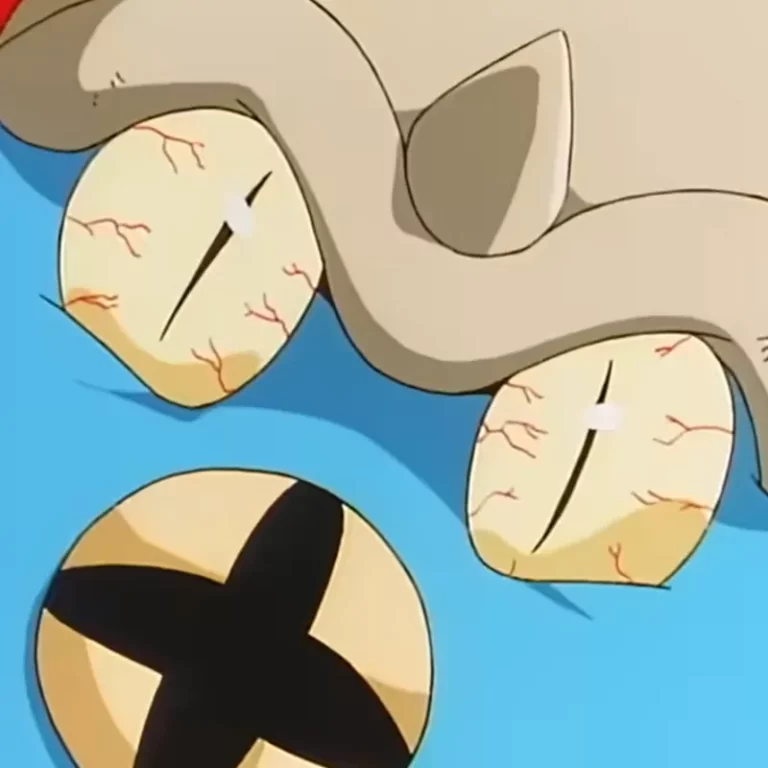
Aerodactyl is a prehistoric Pokémon resembling a pterosaur. It has sharp teeth, webbed wings, and a long, pointed tail, making it a fast and predatory hunter. It lived in ancient times, where it dominated the skies. It can now be revived from a fossil called Old Amber. Aerodactyl is known for its aggressive nature and impressive agility in the air. It is the only prehistoric Pokémon to Mega Evolution.

Anorith
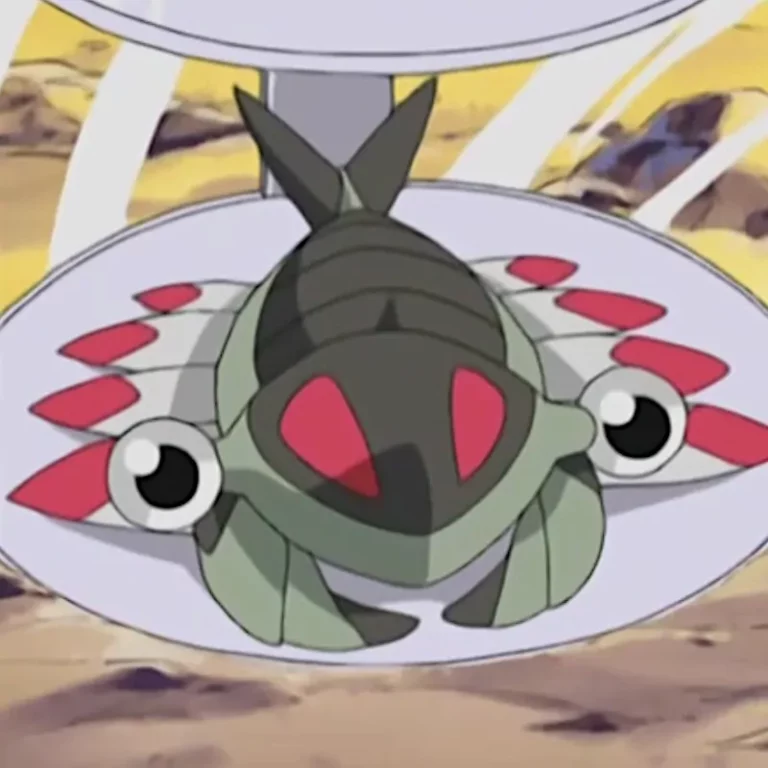
Anorith is based on the Cambrian Anomalocaris. It has a hard shell, a segmented body, and long, sickle-shaped limbs, which it uses to catch prey. Anorith lived in the waters of prehistoric oceans, where it hunted smaller creatures. It can be revived from a fossil known as a Claw Fossil.
Armaldo
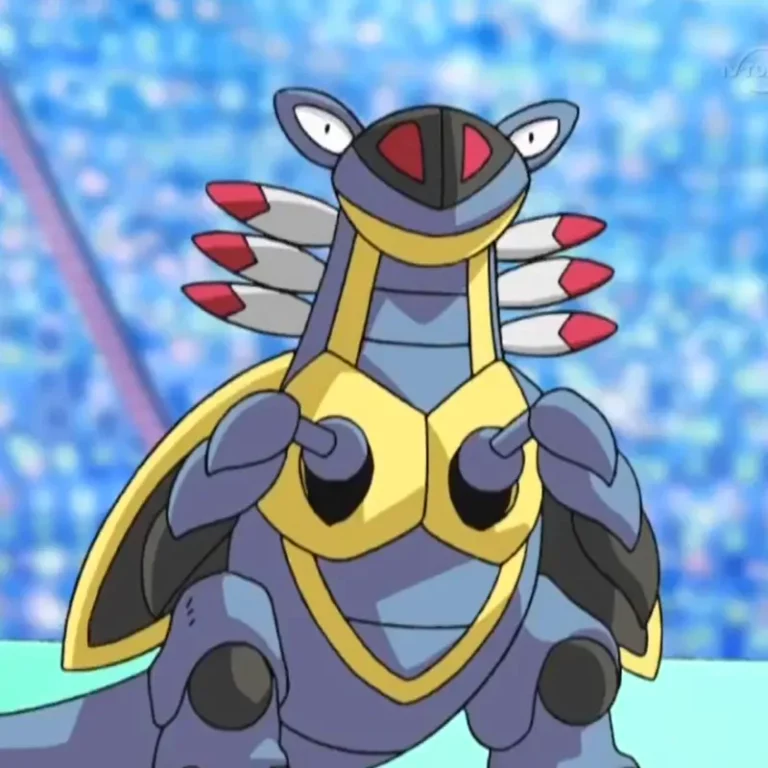
Armaldo is an evolution of Anorith. Its body is covered in armor-like carapace, giving it incredible durability. It possesses powerful, blade-like limbs, which it uses for fighting and hunting. Armaldo is adapted to both land and water, where it was a predator at the top of the food chain.
Lileep
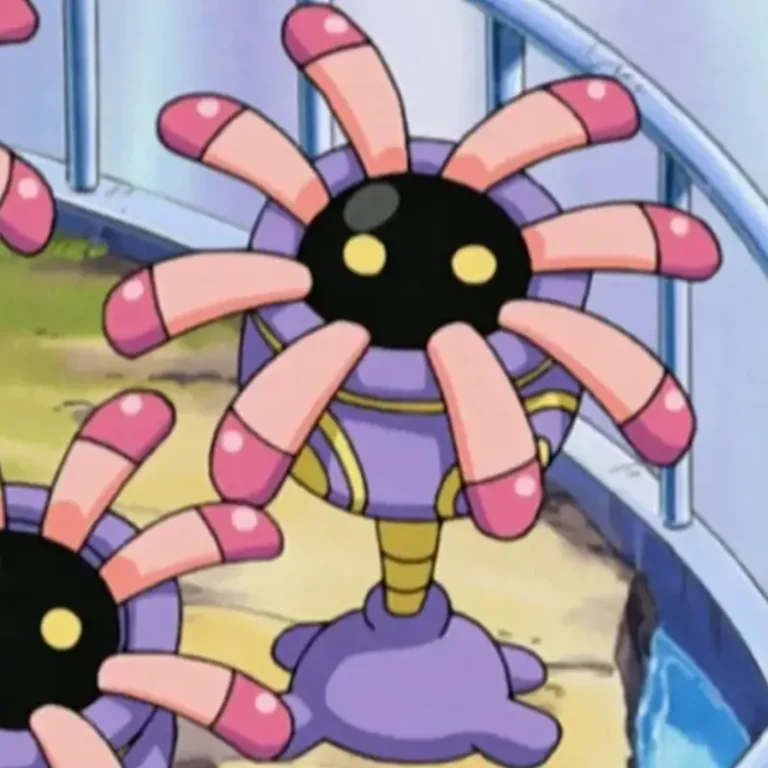
Lileep is based on a marine invertebrate called a Krynoid. Its body is embedded in a stone pot, from which purple tentacles protrude, used for capturing food. Lileep lived at the bottom of prehistoric oceans, camouflaging itself among coral reefs. It can now be reanimated from a fossil called a Root Fossil.
Cradily
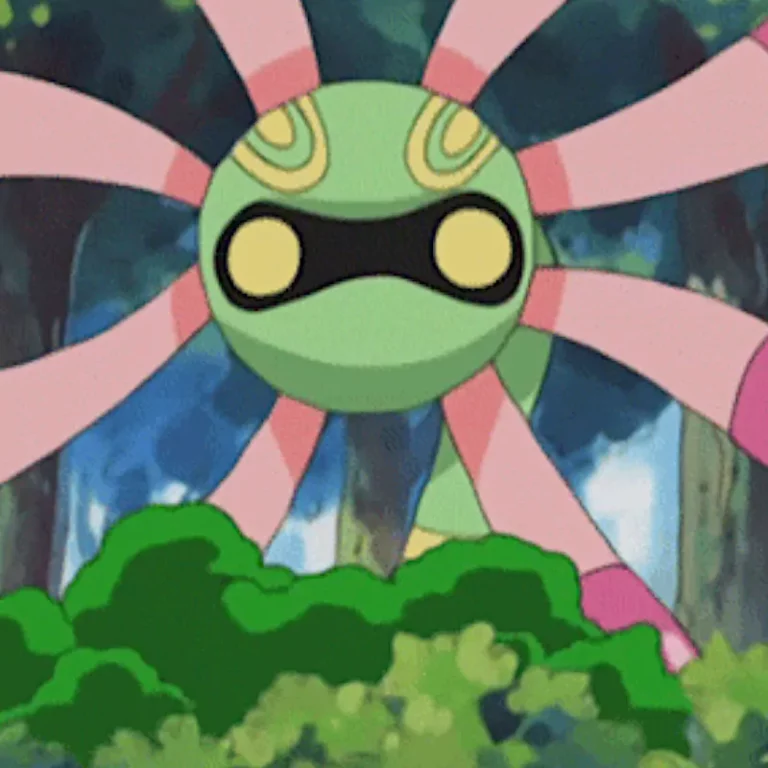
Cradily is an evolution of Lileep. It lived in shallow, warm waters. At high tide, it dug up its prey from the beach using eight long tentacles. After capturing its prey, it dissolved it with a strong acid. Although it couldn’t move quickly, its tentacles and neck could extend three times their length at will.
Cranidos
Cranidos was designed based on a Pachycephalosaurus, a dinosaur with a distinctive hard skull. It was renowned for its immense strength, using its head to ram opponents (it often fought Aerodactyl) and knock down trees. It lived 100 million years ago in the Jungles. To bring it to life, we need a Skull Fossil.

Rampardos
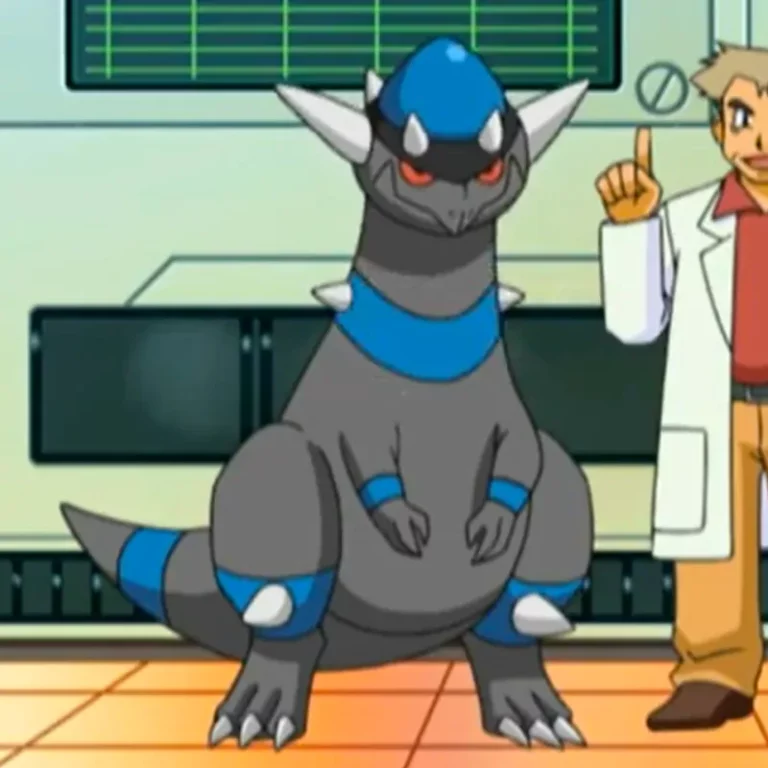
Rampardos is the evolution of Cranidos, known for its immense physical strength. Its thick and exceptionally hard skull allows it to perform powerful ramming attacks, capable of destroying the toughest obstacles. Humans formerly dug up its skull to craft helmets from, as it was as hard as steel.
Shieldon
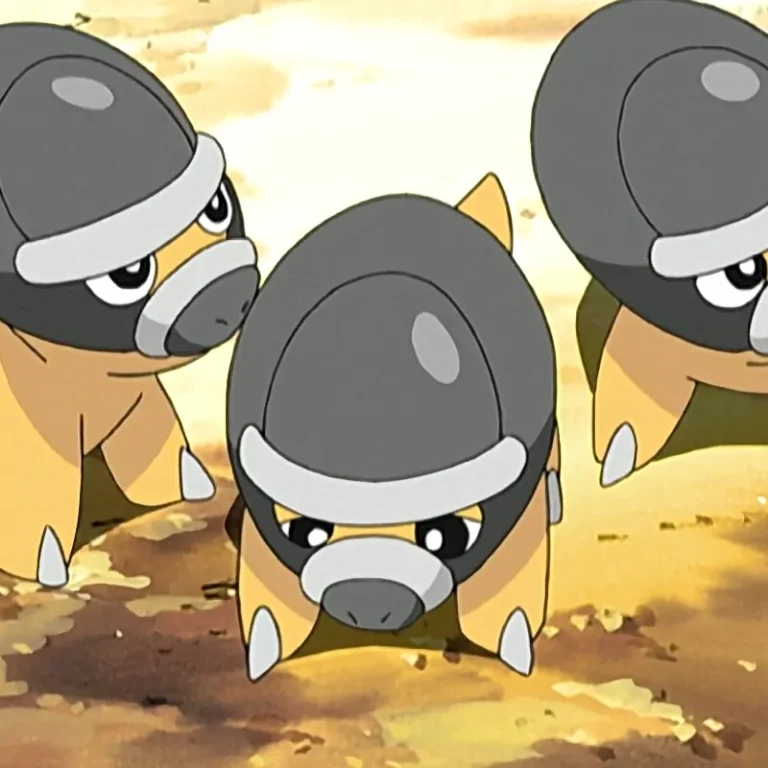
Shieldon is an extinct Pokémon based on Protoceratops. It was a peaceful herbivore that relied on its defenses rather than combat. Its defenses were so strong that it could eat roots and berries without being disturbed by predators, and the remains of its skull never showed any damage. Shieldon can be revived from a fossil called Armor Fossil.
Bastiodon
Bastiodon is the final evolutionary form of Shieldon. It was a peaceful herbivore. When the herd was attacked, it formed a wall that no one could penetrate. This protected its young. Its skull was harder than diamond, and no frontal attack could threaten it.

Tirtouga
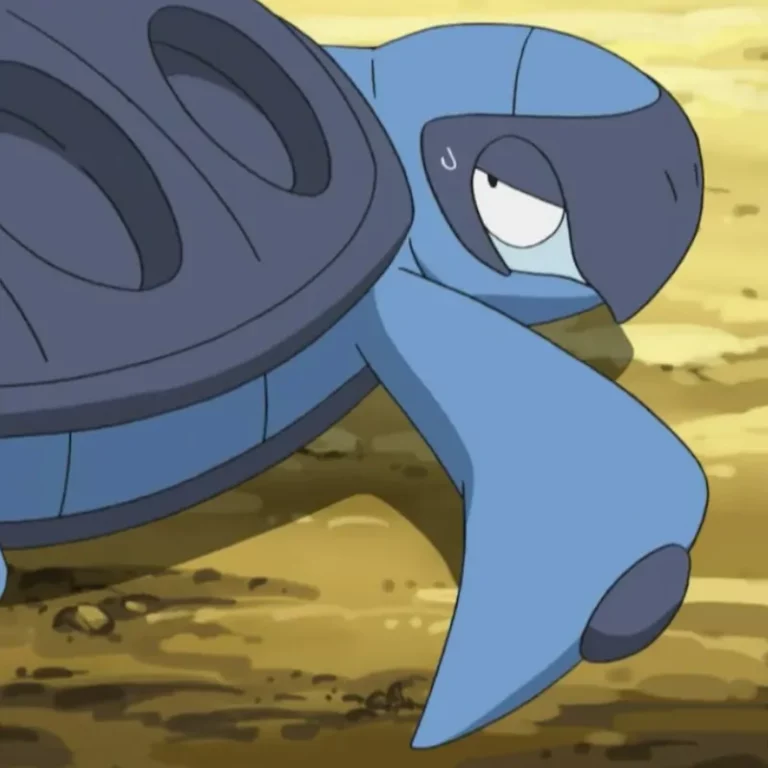
Tirtouga was based on an ancient sea turtle called Protostega. It was a strong swimmer, capable of diving to great depths in search of food, and could even come ashore if necessary if its search for food proved unsuccessful. Tirtouga lived in the oceans millions of years ago and can be revived from a Cover Fossil.
Carracosta
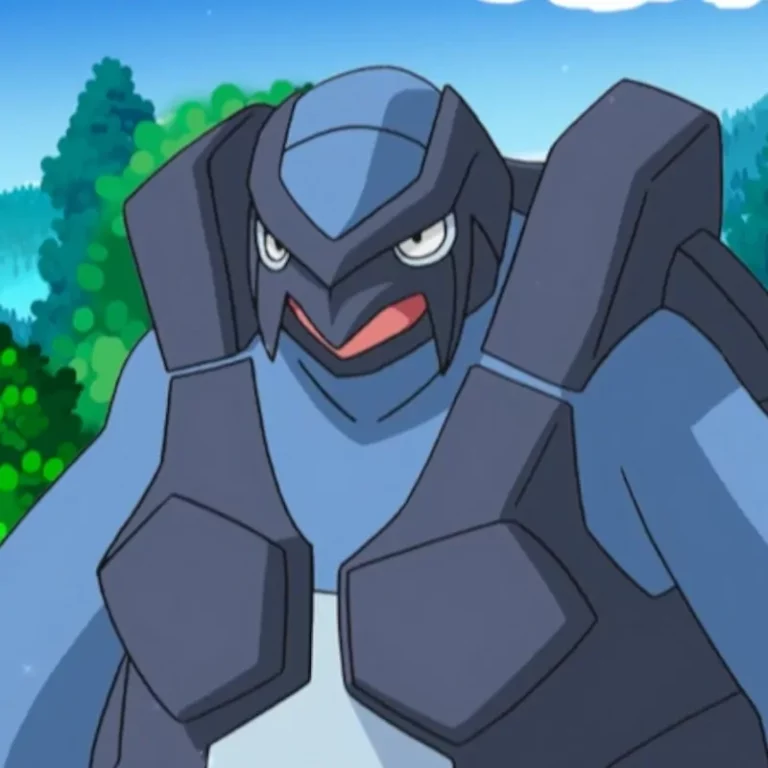
It resembles a massive, prehistoric sea turtle with an incredibly hard shell and strong limbs. It was an aggressive predator, capable of crushing the bones of its prey. Carracosta was known to eat Omanyte and Omastar, shells intact.
Archen
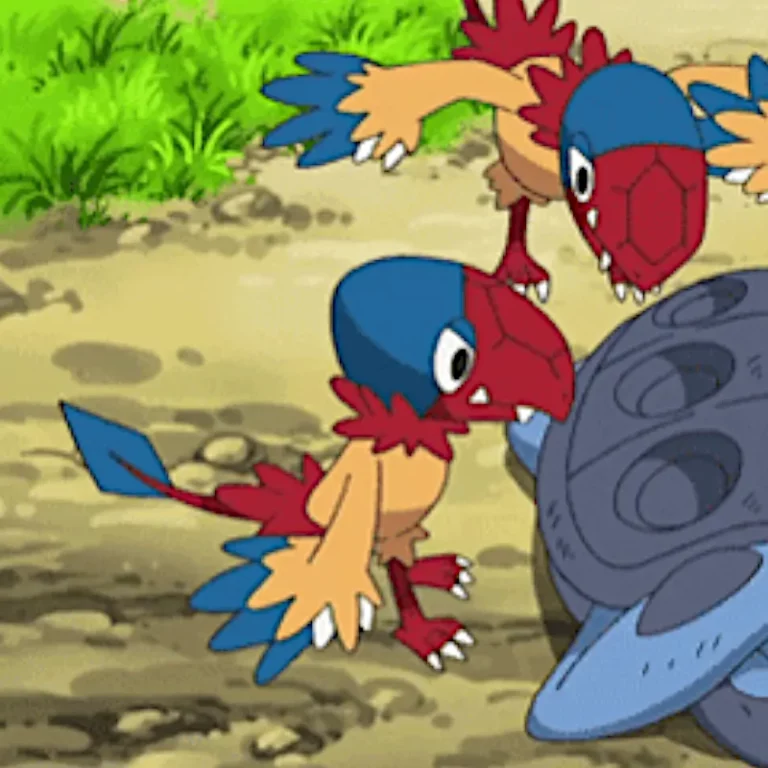
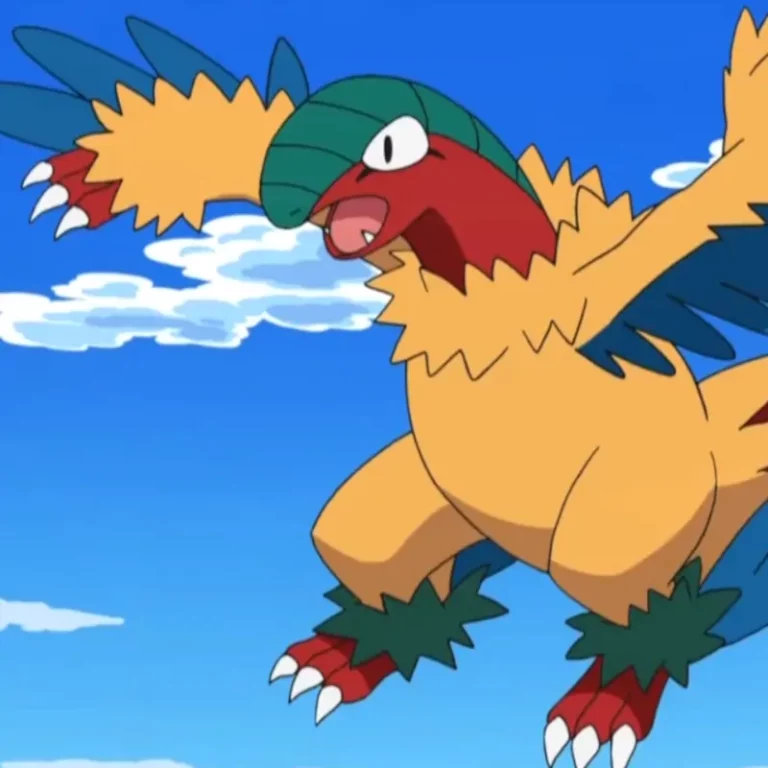
It resembles a primitive bird with bright plumage and a long tail. It is based on the theropod dinosaur Archaeopteryx. Although it cannot fully fly, it is fast and agile on land, where it hunts its prey. Archen can be revived from a Plume Fossil.
Archeops
Unlike its previous form, Archeops can fly, though it requires a significant run-up before taking to the skies. It is highly intelligent and hunts much better on land than in the air.
Genesect
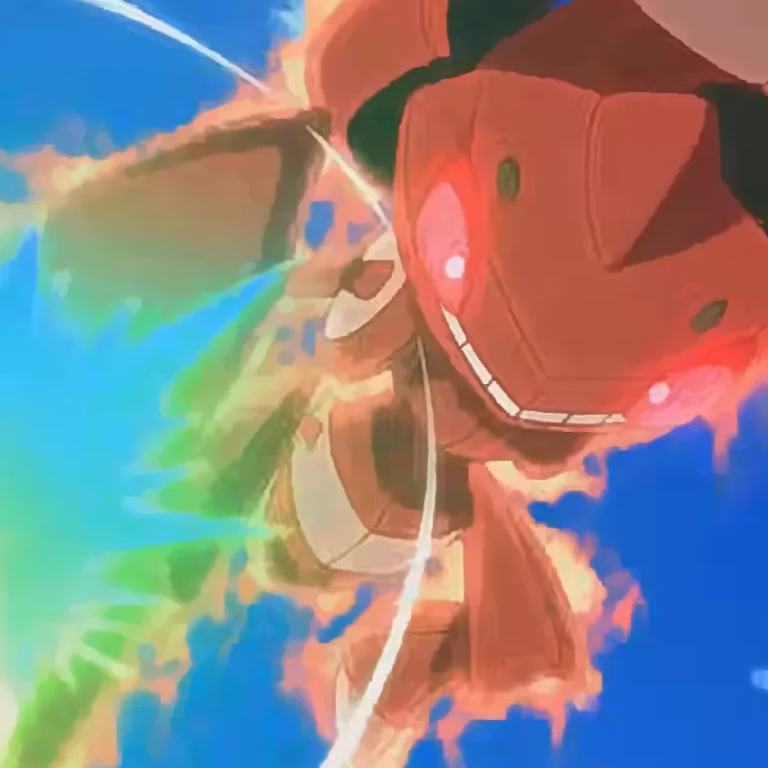
Genesect is an artificial Pokémon based on an unknown insect that lived over 300 million years ago. It was brought to life by Team Plasma, who added the laser cannon to its back.
Tyrantum
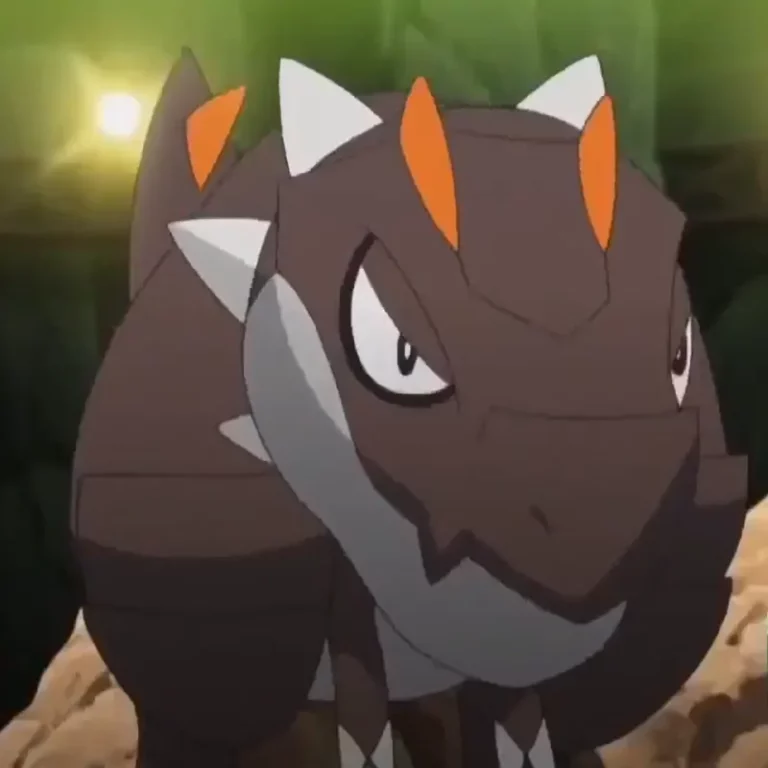
Tyrantum is based on the Tyrannosaurus Rex. He has a tough personality, is spoiled, selfish, and aggressive. His jaws are incredibly powerful, even when he’s acting up, he can inflict fatal wounds. To obtain him, you must have the Jaw Fossil.
Tyrantum
The adult form of Tyrunt. It has a majestic presence, having been a dominant predator with no real competitors. Its incredible jaws can bite through metal plates as if they were paper.

Amaura
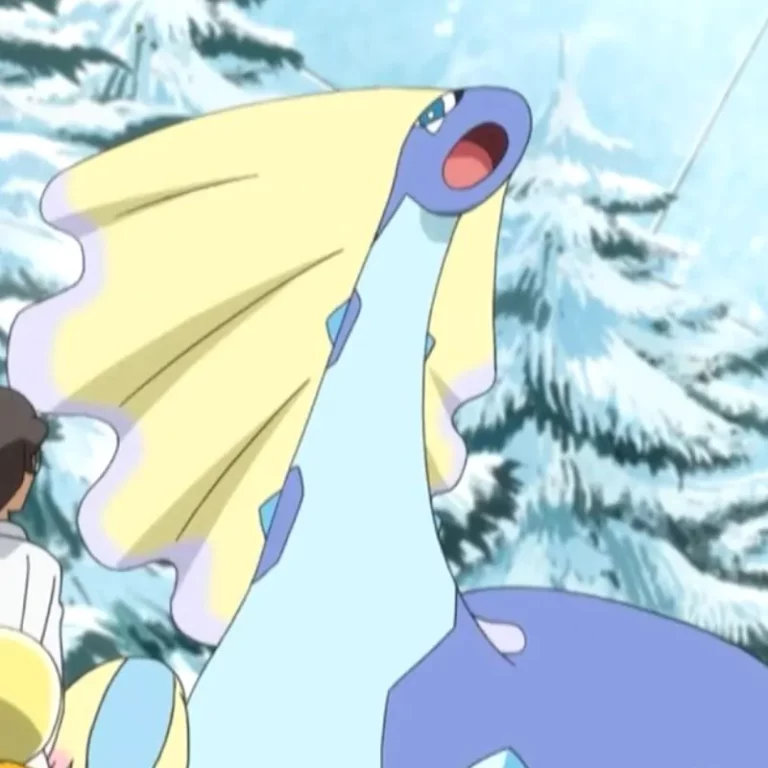
This is an extinct Pokémon based on the sauropod Amargasaurus. It inhabited the cool tundra, where there were fewer predators, including Tyrantum. It has a calm disposition. To catch it, you need a Sail Fossil.

Aurorus
Aurorus is a peaceful Pokémon. The crystals on its body can instantly cool the air to -150°C (-240°F). They can also create a wall of ice to block opponents’ attacks. Scientists found a whole and intact Aurorus in the ice.
Dracozolt, Arctozolt, Dracovish, and Arctovish
These prehistoric Pokémon are based on an event known as the Bone Wars. This was a competition between two scientists to discover the most dinosaur species. Unfortunately, this often resulted in incorrectly assembled skeletons, resulting in sometimes cartoonish results.

Dracozolt, Arctozolt, Dracovish, and Arctovish are based on Celociraptor, Mosasaurus, Dacentura, and Dunkleosteus. To obtain any of these creatures, we must combine our chosen fossils. Due to their misassembly, they are genderless and unable to reproduce.
Prehistoric Pokémon Still Alive:
Some prehistoric Pokémon still exist today. Although these are rare exceptions, they have survived unchanged under favorable circumstances.
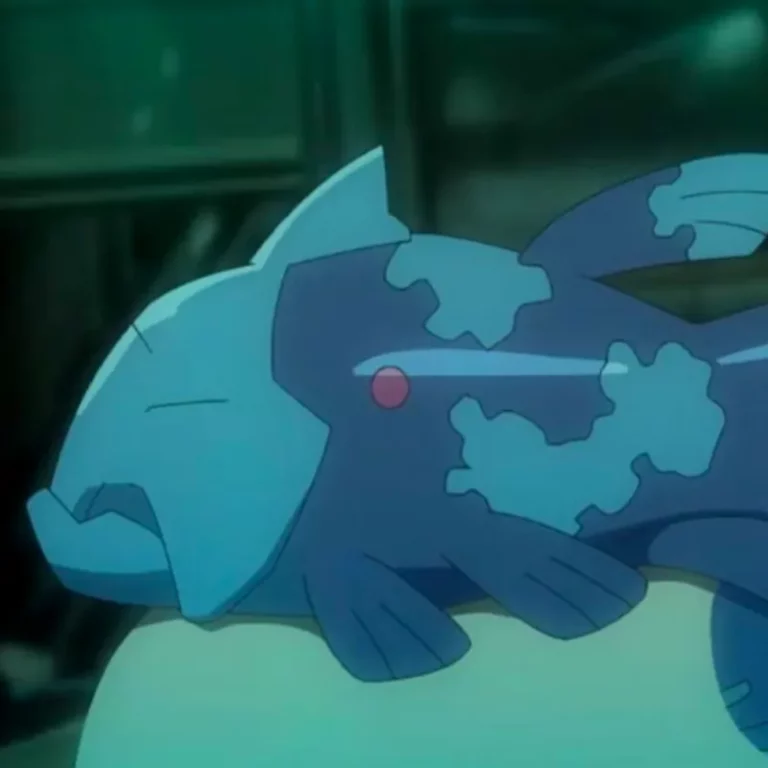
Relicanth
This prehistoric Pokémon survives unchanged to this day. It was discovered during exploration of the ocean’s depths. They are based on a family of fish called Coelacanths, which are considered living fossils.
Therapagos
Therapagos was a common resident of the continent of Paldea. No fossils have been found to date, and only one known individual of this species is currently known.